


You finally get into bed after a long day, hoping for a restful night's sleep. Instead, you spend hours tossing and turning. Your neck feels uncomfortable, your mind remains alert, and falling asleep seems impossible.
If this sounds familiar, you may wonder: Could your neck be contributing to your insomnia?
While stress, lifestyle habits, and medical conditions are common contributors to sleep disturbances, persistent neck pain may also interfere with your ability to rest comfortably.
At Charleston Upper Cervical Chiropractic, Dr. Will Youngblood focuses on the upper cervical spine, particularly the atlas (C1) and axis (C2), as part of a specialized approach to spinal health.
Understanding the connection between neck discomfort and sleep quality can help you explore appropriate care options.
What Is Insomnia?
Insomnia is a sleep disorder characterized by difficulty falling asleep, staying asleep, or getting restorative sleep despite having adequate opportunities to rest.
Common symptoms include:
- Difficulty falling asleep at night
- Frequent awakenings
- Waking earlier than intended
- Feeling tired despite spending enough time in bed
- Daytime fatigue and difficulty concentrating
- Irritability or reduced energy
Chronic insomnia generally involves sleep difficulties occurring at least three nights per week for three months or longer, along with daytime impairment.
Sleep difficulties can arise from several factors, including stress, chronic pain, certain medications, irregular schedules, and other health conditions.
For people experiencing persistent neck discomfort, physical pain may become another obstacle to restful sleep.
How Does the Upper Cervical Spine Relate to Sleep?
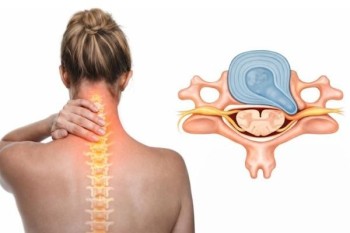
The cervical spine contains seven vertebrae, labeled C1 through C7.
Upper cervical chiropractic primarily focuses on the first two vertebrae:
Atlas (C1): Supports the skull and contributes to head movement.
Axis (C2): Works with the atlas to allow head rotation.
These structures are located near the junction between the brainstem and spinal cord.
The brainstem participates in several essential functions, including processes involved in sleep and wakefulness.
Additionally, sensory information from the neck's muscles and joints helps the nervous system monitor head position and movement.

However, proximity to the brainstem does not establish that a vertebral misalignment directly causes insomnia.
The clearest established connection between the neck and sleep involves discomfort, pain-related arousal, and difficulty maintaining a comfortable sleeping position.
Can Upper Cervical Problems Contribute to Insomnia?
Neck pain and cervical muscle tension may contribute to sleep disturbances by making it harder to relax, fall asleep, or remain comfortable throughout the night.
Three factors help explain this relationship.
1. Persistent Neck Pain
When the neck hurts, finding a comfortable sleeping position can become difficult.
Frequent repositioning may interrupt sleep or increase the time needed to fall asleep.
Some people also notice greater stiffness after spending several hours in one position.
2. Muscle Tension and Physical Arousal
Tight neck and shoulder muscles can contribute to physical discomfort.
Pain may increase alertness, making relaxation more difficult even when someone feels exhausted.
For individuals with persistent pain, anticipation of another uncomfortable night may further interfere with sleep.
3. The Pain–Sleep Cycle
Sleep problems and chronic musculoskeletal pain often reinforce one another.
Poor sleep may increase sensitivity to pain, while persistent discomfort may further disrupt sleep.
This creates a cycle in which addressing both sleep quality and physical symptoms becomes important.
Research supports an association between chronic spinal pain and disturbed sleep, although the relationship does not mean that every case of insomnia originates in the spine.
Does Atlas Misalignment Affect Cortisol or Sleep Hormones?
Some upper cervical chiropractic theories propose that altered cervical mechanics influence autonomic nervous system activity, brainstem function, or hormonal regulation.
Cortisol is involved in the body's stress response and normal daily rhythms, while melatonin helps regulate sleep timing.
However, current clinical evidence does not establish that an atlas misalignment directly increases cortisol, disrupts melatonin production, or causes chronic insomnia.
It is also not established that chiropractic adjustments normalize these hormones or directly correct sleep-regulating brainstem activity.
For patients experiencing both neck symptoms and insomnia, evaluating the cervical spine may still be relevant as part of a broader assessment of physical discomfort.

Can Upper Cervical Chiropractic Help Improve Sleep Quality?
Upper cervical chiropractic care may be considered for selected individuals whose sleep is disrupted by neck discomfort.
This specialized approach focuses on assessing cervical spine mechanics and determining whether appropriate chiropractic treatment could help with related musculoskeletal symptoms.
Potential goals include:
- Improving neck comfort
- Supporting cervical mobility
- Addressing mechanical stiffness
- Reducing discomfort during everyday activities
- Making comfortable resting positions easier to maintain
If neck discomfort decreases, some patients may find it easier to sleep comfortably.
However, upper cervical chiropractic has not been established as an effective treatment for insomnia itself.
For chronic insomnia, cognitive behavioral therapy for insomnia (CBT-I) remains a recommended first-line treatment.
Chiropractic care, when appropriate, should complement rather than replace evidence-based sleep treatment.
What Makes Charleston Upper Cervical Chiropractic Different?
At Charleston Upper Cervical Chiropractic, Dr. Will Youngblood provides specialized upper cervical care focused on individualized spinal assessment and precise adjustments.
The practice emphasizes a corrective spinal care approach rather than generalized treatment of the entire spine.
An initial evaluation may involve reviewing medical history, understanding symptoms, examining cervical mobility, and assessing relevant spinal findings.
The objective is to identify whether a musculoskeletal concern may be contributing to the patient's discomfort.
For someone experiencing both insomnia and neck pain, this evaluation may help clarify whether cervical symptoms warrant targeted management.
Patients should also discuss the benefits, limitations, and potential risks of cervical adjustments before treatment.
What Else Can You Do to Improve Sleep?
Whether or not neck discomfort contributes to your sleep difficulties, several strategies may support better sleep.
Maintain a consistent schedule. Go to bed and wake up at approximately the same time each day.
Review your sleeping position. Choose a pillow that supports a comfortable, neutral neck position without forcing excessive bending.

Reduce evening stimulation. Limit caffeine later in the day and reduce stimulating activities close to bedtime.
Stay physically active. Regular movement and appropriate neck exercises may improve musculoskeletal comfort.
Seek professional evaluation. Persistent insomnia deserves medical assessment, particularly when accompanied by loud snoring, gasping during sleep, or significant daytime sleepiness.
If insomnia continues despite lifestyle changes, ask a qualified sleep professional about CBT-I.
Frequently Asked Questions About Insomnia and Upper Cervical Chiropractic
Can neck problems cause insomnia?
Neck pain and stiffness can disrupt sleep by making it difficult to get comfortable. However, insomnia has many possible causes, and neck discomfort is not always responsible.
Can atlas misalignment affect sleep quality?
Some chiropractic theories suggest a relationship between upper cervical alignment and sleep regulation, but research has not established that atlas misalignment directly causes insomnia.
Can chiropractic adjustments improve sleep?
Some people may sleep more comfortably when musculoskeletal pain improves. However, clinical evidence does not establish chiropractic adjustments as a treatment for chronic insomnia.
What sleeping position is best for neck pain?
Back or side sleeping with comfortable neck support may help certain individuals. The best position depends on personal comfort and any underlying medical conditions.
When should I seek help for insomnia?
Consider medical evaluation when sleep difficulties persist, affect daytime functioning, or occur alongside symptoms suggesting another sleep disorder.
Explore Upper Cervical Chiropractic Care in Charleston, SC
Living with poor sleep and persistent neck discomfort can affect your energy, concentration, and everyday activities.
At Charleston Upper Cervical Chiropractic, Dr. Will Youngblood offers individualized upper cervical evaluations to help patients understand and address appropriate spinal health concerns.
Serving Charleston, West Ashley, Mount Pleasant, North Charleston, James Island, Johns Island, and surrounding communities, the practice focuses on precise upper cervical care.
If neck pain or stiffness is interfering with your ability to rest comfortably, contact the office to discuss whether an upper cervical evaluation may be appropriate.
Schedule a consultation today.
Charleston Upper Cervical Chiropractic
Dr. Will Youngblood
1411 Ashley River Road
Charleston, SC 29407
Phone: (843) 225-5855
Website: https://charlestonuc.com
Appointments: https://charlestonuc.com/appointments
Medical disclaimer: This article is intended for educational purposes only and does not replace professional medical diagnosis or treatment. Upper cervical chiropractic care is not an established treatment for insomnia.
References


Leave a comment