

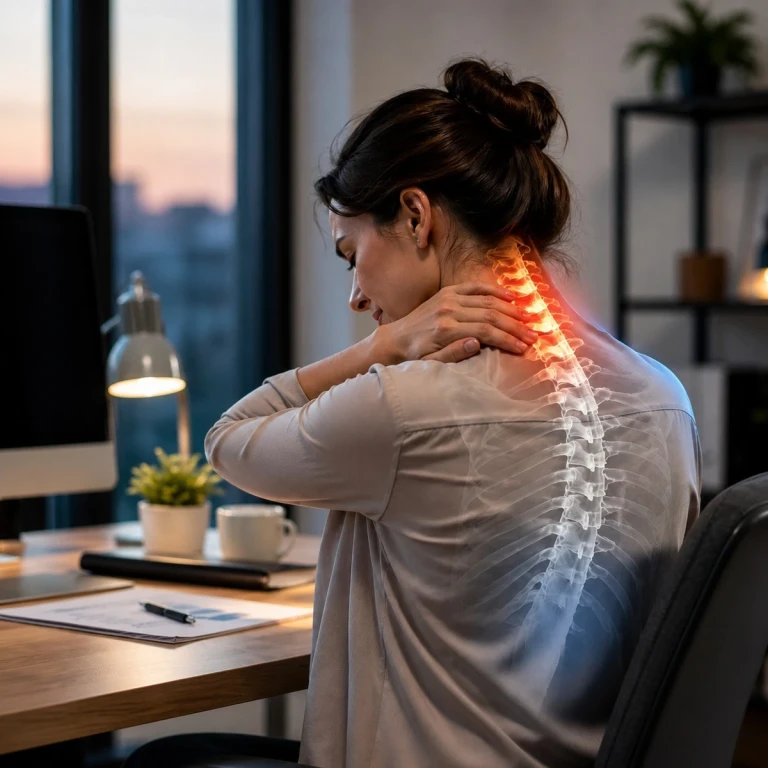
After a long workday, many people notice the same familiar feeling: tight shoulders, a stiff neck, a heavy lower back, tension between the shoulder blades, or an overall sense that the body does not move as freely as it should.
For some, stiffness shows up after sitting at a desk for hours. For others, it happens after standing, driving, treating patients, lifting, using a computer, or repeating the same work movements day after day.
Body stiffness after work is common, but it should not be ignored. It is often a signal that the spine, muscles, joints, posture, and nervous system have been under repeated stress for longer than they can comfortably tolerate.
For patients searching online for answers to “why does my body feel stiff after work?” or “why do I feel tight after sitting all day?” the answer usually involves more than one factor.
Stiffness is rarely just about one muscle. It is often connected to how the body manages posture, spinal alignment, movement, fatigue, and nervous system tension throughout the day.
Why Do Long Workdays Make the Body Feel Stiff?
The body is designed to move. When a person stays in one position too long, whether sitting, standing, bending, or looking down, the muscles and joints begin to adapt to that position. Over time, certain muscles become overworked, while others become underused.
This imbalance can lead to stiffness, tightness, and reduced mobility.
Long workdays may contribute to stiffness through:
- Prolonged sitting
- Forward head posture
- Rounded shoulders
- Repetitive computer use
- Standing without enough movement
- Poor workstation setup
- Stress-related muscle tension
- Limited spinal motion
- Reduced circulation
- Fatigue in postural muscles
When these patterns repeat every day, the body may begin to feel locked into a protective state. Muscles tighten, joints lose normal motion, and the nervous system may remain in a heightened state of tension.
The Role of Posture in Workday Stiffness
Posture is one of the biggest reasons people feel stiff after work. Many work environments place the body in positions that are not ideal for long periods.
A common example is forward head posture. This happens when the head shifts forward in front of the shoulders, often while looking at a computer, phone, tablet, or paperwork. Even a small forward shift can increase strain on the neck, upper back, and shoulder muscles.
Over time, this can lead to:
- Neck stiffness
- Shoulder tightness
- Upper back tension
- Head pressure
- Reduced range of motion
- Muscle fatigue
- Difficulty relaxing after work
The upper cervical spine, located at the top of the neck, plays an important role in head position and postural control. When the head and neck are not moving efficiently, the rest of the spine may compensate. This can create stiffness that feels widespread, even if the original stress begins near the top of the spine.
Why Sitting All Day Can Cause Stiffness
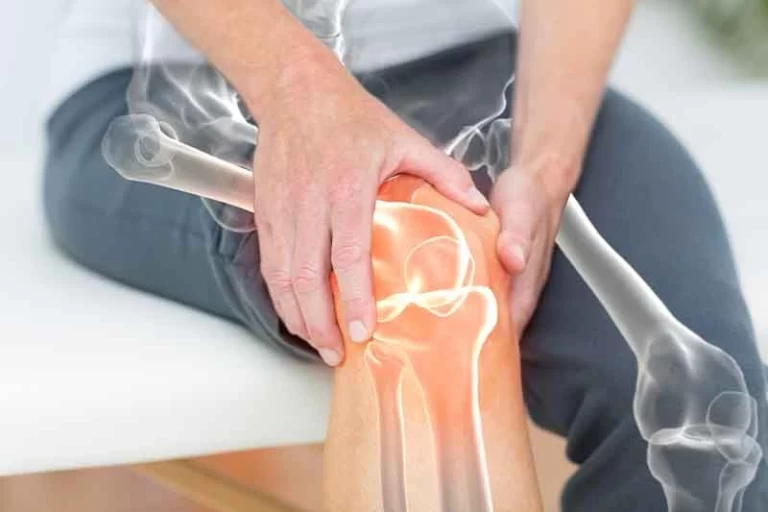
Sitting may seem restful, but long periods of sitting can place significant stress on the body. When sitting for hours, the hips stay flexed, the low back may flatten or round, and the shoulders often drift forward.
This can reduce movement through the spine and increase tension in the muscles that support posture.
People who sit for long workdays may notice:
- Lower back stiffness when standing up
- Tight hips
- Neck and shoulder tension
- Stiffness between the shoulder blades
- Difficulty standing tall after work
- A need to stretch repeatedly
The problem is not always sitting itself. The problem is staying in one position for too long without enough variation. The spine depends on motion to maintain flexibility, circulation, and healthy joint function.
Why Standing Jobs Can Also Cause Body Stiffness
Stiffness after work does not only happen to desk workers. People who stand for long periods can also experience stiffness, especially in the lower back, hips, legs, and feet.
Standing in one position for hours can cause the postural muscles to remain active without enough rest. If the body is not balanced well from the feet through the spine, certain areas may take on more load than they should.
Standing-related stiffness may be felt as:
- Low back tightness
- Hip stiffness
- Leg fatigue
- Foot discomfort
- Neck tension
- General body heaviness
In many cases, the body is not simply tired. It may be compensating for poor alignment, uneven weight distribution, or limited spinal mobility.
The Nervous System Connection
Many people think stiffness is only a muscle problem. Muscles are involved, but the nervous system also plays a major role.
The nervous system helps control muscle tone, posture, balance, coordination, and the body’s response to stress.
When the body is under physical or mental stress for long periods, the nervous system may increase protective muscle tension.
This is why stiffness can feel worse at the end of a stressful workday.
Stress can cause people to unconsciously tighten the jaw, raise the shoulders, hold tension in the neck, or breathe shallowly. These patterns may continue for hours without the person realizing it.

Upper cervical chiropractic looks closely at the relationship between the top of the spine and nervous system function.
The upper neck is a highly sensitive area because it supports the head, protects important neurological structures, and contributes to balance and postural awareness.
When this region is under stress or not moving properly, the body may respond with tension, guarding, and compensation in other areas.
How Spinal Alignment May Affect Stiffness
Spinal alignment matters because the spine works as one connected system. When one area loses efficient movement, other areas often compensate.
For example, if the head shifts forward and the upper neck becomes restricted, the shoulders may round, the upper back may tighten, and the lower back may adjust to keep the body upright. This chain reaction can make stiffness feel like a whole-body problem.
Poor spinal alignment may contribute to:
- Uneven muscle tension
- Reduced joint mobility
- Postural fatigue
- Nerve irritation
- Balance changes
- Compensation patterns
- Recurrent stiffness after work
Upper cervical chiropractic focuses specifically on the alignment and function of the atlas and axis, the top two bones in the neck.
These bones help support head position and influence how the body organizes posture. Because the head sits at the top of the spine, small changes in this area may affect how the rest of the body compensates.
Why Stiffness May Keep Coming Back
Many people stretch after work and feel better temporarily, only to have the stiffness return the next day. This often happens because the underlying stress pattern has not changed.
Stretching can help relieve tight muscles, but if the spine continues to move inefficiently or posture remains strained for hours each day, the same muscles may tighten again.
Recurring stiffness may be related to:
- Poor ergonomic setup
- Limited movement breaks
- Spinal joint restriction
- Weak postural support
- Upper cervical imbalance
- Repetitive work positions
- Chronic stress
- Inadequate recovery
When stiffness becomes a daily pattern, it may be time to look beyond temporary relief and evaluate how the body is functioning as a whole.
When Should You Be Concerned About Workday Stiffness?
Occasional stiffness after a long day is common. However, stiffness should be evaluated if it becomes frequent, severe, or begins to interfere with daily life.

You may want to seek professional evaluation if stiffness is associated with:
- Persistent neck or back pain
- Numbness or tingling
- Headaches or head pressure
- Dizziness or balance issues
- Pain radiating into the arms or legs
- Reduced range of motion
- Stiffness that worsens over time
- Difficulty sleeping due to discomfort
- Stiffness that does not improve with movement
These symptoms may indicate that the body is dealing with more than normal fatigue.
What Can Help Reduce Stiffness After Work?
Reducing stiffness often requires a combination of movement, posture awareness, recovery, and proper spinal evaluation.
Helpful strategies may include:
- Taking short movement breaks every 30 to 60 minutes
- Adjusting screen height to reduce forward head posture
- Keeping feet supported while sitting
- Changing positions throughout the day
- Stretching the hips, chest, neck, and shoulders
- Walking after work to restore movement
- Staying hydrated
- Practicing relaxed breathing
- Improving sleep posture
- Seeking chiropractic evaluation when stiffness keeps returning
Small changes during the workday can make a major difference. The goal is not perfect posture. The goal is better movement, less strain, and improved adaptability.
How Upper Cervical Chiropractic Fits In
Upper cervical chiropractic may be helpful for people whose stiffness is connected to neck tension, postural imbalance, head position, or nervous system stress.
Unlike general approaches that focus broadly on the spine, upper cervical chiropractic evaluates the top of the neck with precision.
The goal is to understand whether misalignment or restricted motion in the upper cervical spine may be contributing to compensation patterns throughout the body.
This type of care may be considered by people experiencing:
- Chronic neck stiffness
- Upper back tension
- Head pressure
- Shoulder tightness
- Postural fatigue
- Balance changes
- Recurring stiffness after work
- Stiffness that returns despite stretching or massage
Upper cervical chiropractic does not treat stiffness as an isolated symptom. It looks at how the head, neck, spine, and nervous system work together.
Final Thoughts
Feeling stiff after long workdays is often the result of repeated stress, limited movement, poor posture, spinal tension, and nervous system fatigue. While stretching and rest may help temporarily, recurring stiffness may point to a deeper pattern in how the body is adapting to daily demands.
The body is constantly responding to how it is used. Long hours at a desk, repeated forward posture, standing fatigue, stress, and reduced spinal motion can all influence how the body feels by the end of the day.
For patients who feel stiff after work on a regular basis, upper cervical chiropractic offers a more focused way to evaluate the relationship between spinal alignment, posture, and nervous system function.
If stiffness keeps returning, it may be time to look beyond the surface and ask why the body is working so hard to compensate. A precise upper cervical evaluation can help determine whether the top of the spine is playing a role in the tension, stiffness, and fatigue felt after long workdays.

Leave a comment