
 Spanish
 Korean

An Effective Treatment for Carpal Tunnel Syndrome
Carpal tunnel syndrome is a specific nerve-compression problem, not simply a name for every case of hand numbness or tingling. The median nerve passes from the forearm into the hand through a narrow space at the wrist called the carpal tunnel. When pressure builds within that space and compresses the median nerve, a person may develop numbness, tingling, burning, pain, weakness, or clumsiness in the hand.
The title of this article uses the phrase effective treatment, but the most effective treatment depends on getting the diagnosis right. Symptoms that feel like carpal tunnel syndrome can sometimes come from somewhere other than the wrist, and a person can have more than one source of nerve irritation at the same time. Treating the wrong area can delay the care that is actually needed.
What Typical Carpal Tunnel Symptoms Feel Like
Classic symptoms usually involve the thumb, index finger, middle finger, and the thumb-side portion of the ring finger. The little finger is generally not part of the typical median nerve pattern. Symptoms may be more noticeable at night, while driving, while holding a phone, or during activities that keep the wrist bent for a prolonged period.
Some people wake up feeling that they need to shake or move the hand. As compression becomes more significant, a person may notice decreased grip strength, difficulty manipulating small objects, dropping things, or weakness around the base of the thumb.
Persistent weakness or visible muscle loss is important and should not be ignored because prolonged nerve compression can lead to lasting nerve or muscle problems.
Why the Wrist Is Not the Only Place to Consider
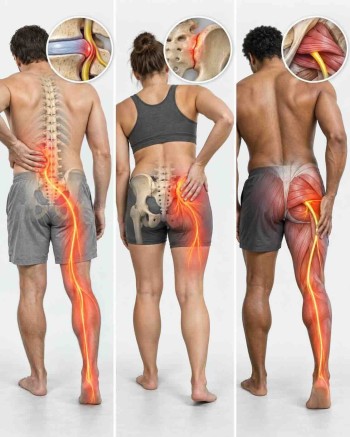
Nerves that ultimately supply the hand begin much farther upstream. They originate from the neck, travel through the shoulder and arm, and continue toward the wrist and hand. A problem affecting a nerve root in the cervical spine, another peripheral nerve, or a systemic condition can produce symptoms that overlap with carpal tunnel syndrome.

For example, neck-related nerve irritation may cause arm or hand symptoms, and ulnar nerve irritation can affect a different portion of the hand. Diabetes and some other medical conditions can contribute to peripheral neuropathy. Pregnancy can be associated with swelling that increases pressure within the carpal tunnel. Arthritis, wrist injury, and anatomical factors can also contribute.
This is why a clinical history matters before deciding that every tingling hand is the same condition.
How Carpal Tunnel Syndrome Is Evaluated
An evaluation usually considers which fingers are affected, when symptoms occur, whether there is weakness, how the wrist and hand function, and whether there are findings that point toward the neck or another location. In many cases, the history and physical examination provide substantial information.
Additional testing may be used when the diagnosis is uncertain, symptoms are severe, or treatment decisions require more detail. Nerve-conduction testing or other diagnostic procedures may sometimes be recommended by the appropriate medical professional.
Current orthopedic guidance recognizes that diagnosis and treatment should be matched to the individual. Depending on the situation, care for confirmed carpal tunnel syndrome may include a neutral-position wrist splint, especially at night, activity changes, selected therapeutic approaches, medication or injection options, and surgical decompression when symptoms or nerve findings warrant it.
Surgery can be an appropriate treatment when significant median nerve compression is present. It should not be dismissed simply because a patient prefers conservative care.
Where Chiropractic Evaluation Can Fit
Chiropractic evaluation can be useful when symptoms include neck discomfort, shoulder or arm pain, changes with neck position, a history of cervical injury, or a pattern that does not neatly match median nerve compression at the wrist.
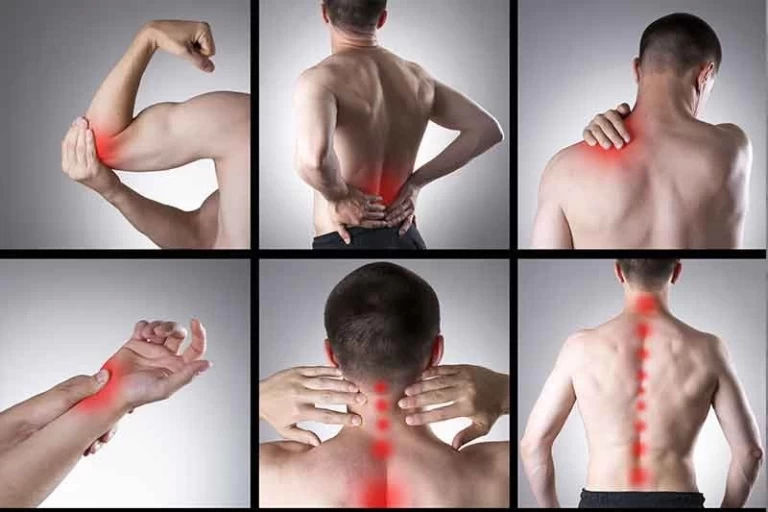
The purpose is not to rename a wrist problem as a neck problem. It is to determine whether the cervical spine or another mechanical factor may be contributing to the overall presentation.
At Charleston Upper Cervical Chiropractic, Dr. William M. Youngblood Jr. examines the upper cervical spine and the mechanics of the neck as part of that process when the history supports it. He uses precise approaches including Knee Chest and Toggle Recoil, along with Pierce Results and corrective chiropractic principles.
Patients who have previously received Blair or Gonstead care can also be evaluated within this broader upper cervical and chiropractic framework. A patient does not need to match one technique name for Dr. Youngblood to assess what is happening.
If the examination suggests that the primary problem is significant compression at the wrist, appropriate medical or hand-specialist evaluation should not be delayed. Likewise, if findings point toward another neurological or systemic cause, coordination with the appropriate healthcare professional is the responsible next step.
Why Posture and Work Habits May Still Matter
Workstation setup and repetitive hand use do not explain every case of carpal tunnel syndrome, but daily habits can influence symptoms. Keeping the wrist in an extreme bent position for long periods may increase discomfort in some people.
Frequent short breaks, changing tasks when possible, keeping commonly used tools within easy reach, and avoiding unnecessary sustained pressure on the wrist can be practical parts of a broader plan.
Neck and shoulder posture also deserve attention when a patient has symptoms above the wrist. Long periods with the head forward and shoulders rounded can contribute to muscle fatigue and may aggravate some neck-related complaints. Ergonomic changes should be individualized rather than treated as a cure-all.
When Symptoms Need Timely Attention

Persistent numbness, progressive weakness, increasing clumsiness, loss of grip, visible muscle wasting at the base of the thumb, or symptoms that continue to worsen should be evaluated rather than watched indefinitely.
Sudden weakness involving an entire arm, facial weakness, difficulty speaking, severe headache, chest pain, or other abrupt neurological symptoms require urgent medical attention because they are not typical carpal tunnel symptoms.
Effective Treatment Starts With the Correct Source
The central idea is straightforward: treatment works best when it is directed at the structure or condition actually causing the symptoms. If the median nerve is being compressed at the wrist, that compression needs to be addressed. If the symptoms are coming from the neck, treating only the wrist may miss the source. If both areas are contributing, the care plan may need to account for both.
This also explains why two people with similar hand symptoms may need very different treatment. One may improve with a wrist splint and activity changes. Another may need a hand specialist. Another may have cervical findings that deserve attention. A fourth may need evaluation for a metabolic or neurological condition.
What Dr. Youngblood Looks For
When a patient comes to Charleston Upper Cervical Chiropractic with hand tingling or numbness, Dr. Youngblood considers the pattern rather than assuming the diagnosis. The history of neck injury, posture, shoulder and arm symptoms, the exact fingers involved, changes in strength, and previous testing can all help determine whether the cervical spine should be evaluated further.
The first visit generally lasts 45 to 60 minutes and allows time for consultation, examination, and imaging when clinically appropriate. Treatment is not automatically performed on the first visit. Findings are reviewed so that recommendations can be based on what was actually found.
For patients in Charleston and surrounding communities who are unsure whether their hand symptoms are truly carpal tunnel syndrome, the goal is not to force the problem into a chiropractic explanation. The goal is to identify what fits within Dr. Youngblood's scope, recognize what does not, and help the patient move toward care that matches the real source of the symptoms.


Leave a comment