
 Spanish
 Korean

A Natural Alternative to Advil for Neck Pain
When neck pain starts interfering with work, sleep, driving, exercise, or time with family, many people reach for an over-the-counter pain reliever such as Advil. Ibuprofen can reduce pain and inflammation when it is appropriate for the person taking it and used according to the label or a clinician's instructions. That can be useful. The limitation is that pain relief and finding the reason for recurring neck pain are two different goals.
If the same neck pain returns week after week, requires repeated medication, or begins limiting normal movement, it deserves a closer look. The question is not whether someone should use a medication. The question is whether there is a mechanical, muscular, joint, nerve, or other health problem that has not yet been identified.
Why Neck Pain Can Become a Repeating Problem
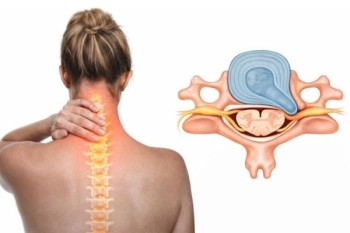
The neck has a demanding job. It supports the head, allows movement in several directions, protects important neurological structures, and adapts to what the shoulders and upper back are doing. Hours spent at a computer, repeated downward phone use, an old sports injury, a motor vehicle collision, awkward sleep positions, physical work, stress-related muscle tension, or a sudden strain can all contribute to symptoms.
Not every episode has the same cause. Some people primarily have irritated muscles or joints. Others may have pain associated with degenerative changes, a disc problem, nerve irritation, headache patterns, or an injury that needs additional investigation. This is one reason a persistent problem should not be reduced to a simple question of which pain reliever works fastest.
What Ibuprofen Can and Cannot Do

Ibuprofen belongs to a group of medicines called nonsteroidal anti-inflammatory drugs, or NSAIDs. These medicines can reduce pain, fever, and inflammation. They are widely used and, for many people, occasional use as directed is reasonable. They also carry real risks. The U.S. Food and Drug Administration warns that NSAIDs can increase the risk of heart attack or stroke and can cause stomach or intestinal bleeding and ulcers. Risk can increase with higher doses, longer use, certain medical conditions, age, and interactions with other medicines.
That does not make ibuprofen a bad medicine, and it is not a reason to stop a medication that a healthcare professional has recommended. It does mean that repeatedly taking more medication is not a substitute for understanding persistent pain. Anyone with questions about how often an NSAID is appropriate should speak with a physician or pharmacist who knows that person's health history and other medications.
Looking Beyond Temporary Symptom Control
A non-medication strategy for neck pain starts with identifying what can reasonably be changed. For one person that may mean improving the height of a computer monitor and reducing long periods of looking down. For another it may involve restoring comfortable movement after an old injury, changing a pillow or sleep position, building strength, or addressing a pattern of spinal joint dysfunction.
At Charleston Upper Cervical Chiropractic, Dr. William M. Youngblood Jr. evaluates the neck with particular attention to the upper cervical region, the area formed by the first two vertebrae beneath the skull. Because this area contributes to head position and neck mechanics, it can be relevant when evaluating recurring neck discomfort, headaches, dizziness, or other symptoms that may occur alongside a neck complaint.
Dr. Youngblood has practiced for three decades and uses precise upper cervical approaches including Knee Chest and Toggle Recoil, together with Pierce Results and corrective chiropractic principles. Patients who are familiar with Blair or Gonstead care can also be evaluated without having to fit themselves into a single technique label. The important issue is the individual examination, the clinical findings, and whether chiropractic care is appropriate for that patient.
What an Examination Should Clarify

A useful examination does more than confirm that the neck hurts. It should consider when the problem began, what makes it better or worse, whether pain travels into the shoulder or arm, whether there is numbness or tingling, how much motion is available, whether there was trauma, and whether symptoms are changing over time.
Imaging may be appropriate in some situations, but it should be used because the clinical picture calls for it rather than as an automatic answer for every sore neck. Charleston Upper Cervical Chiropractic has access to imaging and assessment tools that can be incorporated when clinically appropriate.
Dr. Youngblood can also coordinate with other healthcare professionals when the history or examination indicates that another type of evaluation is needed. Chiropractic care is one part of healthcare, not a replacement for every other form of care.
Daily Habits Still Matter
What happens between office visits can be as important as what happens during them. Taking short movement breaks during desk work, keeping frequently used screens closer to eye level, avoiding long periods in one fixed posture, using sensible lifting mechanics, and gradually returning to normal activity can all help many people manage mechanical neck discomfort.
Exercise and ergonomic recommendations should be matched to the person rather than copied from a generic routine that may not fit the problem. A patient with a recent injury, significant arthritis, nerve symptoms, or another medical condition may need a different approach from someone whose primary problem is prolonged desk work.
Sleep also matters. There is no single pillow that is right for everyone, but a position that keeps the neck relatively comfortable and supported is generally preferable to spending the night with the head sharply rotated or bent. A person who repeatedly wakes with the same pain should mention that pattern during the examination because it can provide useful information.

When Neck Pain Needs Prompt Medical Attention
Some neck symptoms should not wait for a routine chiropractic visit. Prompt medical evaluation is appropriate after significant trauma or when neck pain occurs with new or progressive weakness, loss of coordination, difficulty walking, loss of bowel or bladder control, fever with severe neck stiffness, a sudden severe headache, chest pain, trouble speaking, facial drooping, fainting, or other sudden neurological changes.
A clinician should also evaluate unexplained weight loss, persistent night pain, a history of cancer, or symptoms that are rapidly worsening. These findings do not automatically mean something serious is present, but they deserve appropriate medical assessment.
A Natural Option Does Not Mean Ignoring Other Care
The natural alternative in the title of this article is not a promise that one treatment replaces Advil for every person. It means there are ways to approach recurring neck pain that do not begin and end with symptom suppression.
A careful history, physical examination, appropriate imaging when indicated, better movement habits, exercise, ergonomic changes, and precise chiropractic care may all have a role depending on the cause of the problem. Medication may also remain part of a patient's care when it is appropriate.
What a Charleston Upper Cervical Visit Looks Like
A new patient visit is designed to gather information before treatment decisions are made. The first visit generally lasts about 45 to 60 minutes and includes consultation, examination, and imaging when appropriate. Treatment is not performed simply because someone walks through the door with neck pain. Findings are reviewed first.
At a subsequent visit, Dr. Youngblood reviews the findings, explains what he sees, discusses whether upper cervical chiropractic care is appropriate, and makes a recommendation based on the individual case. Regular visits are typically much shorter because they are focused on reassessment and the care that has already been planned.
For people in Charleston, North Charleston, Johns Island, James Island, and surrounding communities who are dealing with recurring neck pain, the practical starting point is to determine what is actually happening. Once the cause and contributing factors are clearer, a plan can be built around the individual rather than around how quickly a tablet can quiet the symptom.

Leave a comment